
A customer has asked for a favour, to put up a description of his book. Not to purchase, simply for your thoughts. However if you find it interesting and want to read more it's free from Amazon until the end of the month.
Please take a few moments to read a short description of ANGELS LOVE BAD MEN here (you wont be leaving my site)
How to make a garden Wildlife Friendly
Simple things you can do to attract wildlife into gardens.
How to create Wildlife friendly features explained on this page;
- Create a hedgehog house or shelter. Hedgehog houses are simple to make...
- Wildlife friendly hedgerow, hedging plants you can plant here..
- Herbaceous borders, Grow a wildlife friendly herbaceous border....
- Rockeries and woodpiles (bug hotels), Building a rockery and bug hotel will attract wildlife
- Pond-life. A wildlife pond can be a haven for wildlife....
- Bird nesting boxes. Site nest boxes so that they are sheltered from the wind, rain and strong sunlight. More...
- Wildflower lawn is an interesting and pretty way to create a good environment to add the features to. How to here.....
To keep this page short, interesting and readable. I have linked to more detail on my other pages.
How big does a wildlife garden need to be?
Big is not always best. It's sometimes better to do small things that can be maintained rather than build a zoo and then lose interest.
if space is limited setting aside even a small area of your garden will attract our native wildlife. Even a single Buddleia tree (butterfly tree) will attract butterflies.
- If the garden is small and space is limited you can still create wildlife friendly areas. Even a bog area if you have a soggy bit of garden. Wildlife will appreciate and be attracted to even the smallest things, like a Buddleia (butterfly) tree to attract, butterflies.
- Small wildlife friendly features like woodpiles, nesting boxes and rockeries will help sustain and attract wildlife into your garden.
- Or if you have the space to set aside a larger area of your garden then, create a Hay meadow or wildflower lawn, my article here explains how, growing a wildflower lawn
Whatever the size.... If you create a wildlife friendly garden.... Wildlife will come.
garden features to attract and sustain wildlife
Plant a Wildlife friendly hedgerow
Growing a native hedge or copse of berry and nut producing trees is a really great way of attracting wildlife into a garden. I have explained, what, how and the hedging plants you can plant from October through to March here Native British hedgerow.
Herbaceous border.
Grow a wildlife friendly herbaceous border, perennial plants flower each year so they're easy to tend and are great for attracting wildlife. Plants we weed out of our prim and proper borders, like Forget-me-nots, Buttercups and Ox-eye daisies are pretty and great for wildlife.
Early spring bulbs like bluebells (our native ones) lesser celandine, wild daffodils and snakeshead fritillary all produce nectar for insects when food is still scarce in spring. Borage and clover (the same clover we try to weed kill from our chemical dependent lawns) are great for bumblebees. Cowslip, cranesbill, foxglove, poppy and cornflower all produce nectar and are pretty wildlife friendly plants.
How to construct a hedgehog house
Create a hedgehog house or shelter. Hedgehog houses are simple to make. Piling stones, earth or wood over a sturdy upturned crate leaving just enough space for the hedgehogs to get in and out should be enough to encourage habitation.
Site the nest box against a wall, bank or fence in a quiet overgrown area of your garden so the hedgehogs can forage nearby with protective cover. Try not to disturb the nest once it's occupied, as a frightened mother hedgehog may abandon her young. Hedgehogs will often also choose their own space in a hedgehog-friendly garden to shelter and.... hopefully even breed, under sheds or hedges, log piles and compost heaps.
Pet dogs, badgers and foxes are the hedgehogs biggest enemy so make sure that your hedgehog box is sturdy. Hedgehogs are great little natural pest controllers eating slugs and snails found in damp, grassy areas of the garden. Slug pellets and other garden chemicals are harmful to hedgehogs so avoid using them and instead leave it to your hedgehogs to keep slugs and snails under control for you.
How to build a rockery.
Building a rockery will attract wildlife, even a small pile of stones attracts insects and in turn the wildlife that feed on them. A rockery made from garden stones and old house bricks will make a great shelter for insects. Insects like Spiders, Woodlice and beetles that add to the biodiversity of your wildlife garden.
A rockery will also encourage the animals that feed on them to hang around during winter. Even providing shelter for slugs and snails is worth doing as thrushes and hedgehogs will feed on them.
The stones should be arranged loosely, leaving cracks and gaps for insects to get in between them. For larger rockeries, fill some gaps with gritty soil and plant crocuses and natural British Bluebells between the rocks. This will provide insects with an early nectar and pollen supply.
To speed up the look of aging on the stones. Brush them with yogurt, this encourage lichens to grow making the rockery even more natural.
If possible, build the rockery near to a nature pond, even a small one and use larger pieces of stone or rocks to create nooks and crannies. Newts and frogs will shelter and hibernate in the cool, damp crevices and toads may hibernate in burrows under the rocks. Slow worms may hide under the rocks and stones until dusk when they come out to hunt however, they do seem happiest in my compost heap.
Woodpile (bug hotel)
Make a woodpile it will attract and provide shelter for insects and they in turn will attract insect eating wildlife into your wildlife garden. To make a woodpile select a moist shady area under large shrubs or trees. Pile logs and dead branches one and leave the wood to decay naturally.
Many insects like Ground and Rove beetles eat both adults and slug eggs and prefer undisturbed damp shady areas. The insect eating animals that in turn live of the insects will visit the area too, just wait and see. The Woodpile is best left undisturbed because Stag beetles larvae will live in this wood for several years until they reach maturity.
Bird nesting boxes.
- Blue tits, coal tits and marsh tits about 25mm across.
- Great tits, nuthatches, house sparrows and tree sparrows, slightly bigger about 32mm.
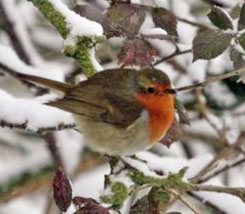
- Robins, wrens and pied wagtails prefer open fronted boxes, but these can be vulnerable to attack by cats so put them somewhere safe.
- House martins: use nest bowls, large 3/4 coconut shell works.
- Starlings like a long deep box with a hole near the roof.
- Sparrows nest close to each other in communal boxes, the box has three compartments with a hole just under the lid at each side and in the centre. They will also nest in the roof of your house.
Toward the bottom of this page there is more information about the best place to position nest boxes and how to look after them.
Wildlife pond
A wildlife pond can be a haven for wildlife. Frogs, toads, newts, leeches and boatmen will live and breed in a wildlife pond providing the environment is right.
Frogs, toads and newts, can be beneficial garden creatures eating a wide range of garden pests and can be encouraged by providing log piles and other damp habitats in which they can shelter and a wildlife friendly pond where tadpoles can develop. A pond, even a container pond is one of the most wildlife friendly things you can do in your garden.
I have written this guide to make a wildlife pond.
An interesting and pretty way to create a good environment to add the features outlined above to. Is to sow wildflower lawn seeds over the whole area and then gradually add the features.
Chose the area you are going to set aside and lightly rake over. Most wild plants prefer poor soil, so no fertiliser.
Sow a packet of meadow mix directly over the area. Follow the instructions on the packet.
Wait, watch and enjoy.
Click on the wild flower picture for more information.

Best places to site a bird nesting box
Positioning the bird box
- Site nest boxes so that they are sheltered from the wind, rain and strong sunlight. If they are in full sun, the chicks could overheat and die.
- Position boxes five to six feet above ground so they are out of reach of cats and other predators.
- Drill small drainage holes at the bottom and make sure the lid is secure to keep out magpies and squirrels.
- Sit the box near to small branches that will support fledglings, but won't hold the weight of cats.
- House martin nest bowls should be situated under the eaves of your house, they often return to the same nesting sites year after year.
- Most nesting birds prefer to nest and hatch eggs in quiet areas of the garden with good natural cover.
- Ivy is great natural cover for birds as its nectar and berries provide much-needed winter food. It is also great cover for placing nest boxes and for natural nesting sites. Ivy needs controlling though or it will stifle and kill off other wildlife friendly plants. More information here clearing ivy
- Common honeysuckle not only smells lovely, it's also a rich source of nectar and pollen for both insects and birds. It grows quickly up trees, walls and trellises. It provides great cover for placing nest boxes and for natural nesting sites. Planting berry-bearing shrubs and trees like Firethorn, rowan and holly not only provide cover but also an extra source of food for birds and other wildlife in the Autumn.
- Your bird box might not be used in the first year, as wild birds often choose a nesting site during the autumn, winter or early spring. Leave it up for a couple of seasons and if it's not used, try it in another area of your garden. Leaving your box up in winter may provide a useful roost in bad weather.
- Clean the nest box out with boiling water in the autumn when the young birds have flown the nest. This will ensure Disease and parasites are not passed to next seasons nesting wild birds.
- The Supa Multi-purpose Nest Box (Pack of 1) is suitable for many of the species of wild birds that are likely to nest in your garden.
- Can be used either in its original form or as an open fronted nesting box by removing the two screws which hold the front panel in place.
- Small gap in the base so the birds can easily clean the box out.
- The box should attract birds such as Robins, Pied Wagtail, Spotted Flycatcher, Great Tit, Blue Tits, Nuthatch and Tree Sparrows and many more species.
- Dimensions: Approx 16.5cm(L) x 18cm(W) x 26cm(H).
Birds don't hibernate, some migrate to warmer climates and return next year.
The birds that stay and overwinter in our gardens will require a lot of energy to keep themselves warm. Energy comes from food..... So the more insects you attract into your wildlife garden and the more seed-heads you leave in herbaceous borders the less energy birds will use flying around looking for food to create the energy to keep them warm... Don't be too tidy, makes sense doesn't it.
How to maintain a wildlife friendly garden
Looking after and maintenance of a wildlife friendly garden is fairly easy.
Less is best in a wildlife garden. The wilder the better.
Saying that, there will be a bit of tidying up to do. Maybe some pruning and checking the features you have added to the garden. Check the hedgehog house is still standing, the bird nesting boxes are cleaned once the birds have flown, the pond is not leaking here's a checklist for a few things to do all year round to look after wildlife in your garden.
- Check bonfires before they are lit for sheltering animals, such as hedgehogs, toads and frogs.
- Check access to wildlife ponds to allow the wildlife to drink, and get in and out of the water.
- Be careful when you turn compost heaps the warmth they generate attracts Hedgehogs, frogs, toads and other animals.
- Check bird boxes during early spring are clean and ready for birds to make new nests, then leave them undisturbed until the birds have flown the nest,
- Leave herbaceous and hollow-stemmed plants unpruned until spring. These can provide homes for overwintering insects.
- Cottage gardens and tips from an old landscape cottage gardener
- Types of Soil and the wild meadow flowers that will grow and thrive in them I have listed a few species of wild flowers and the soil they thrive in best on this page, soil wildflowers grow in.
Winter is over spring is here and summer is on the way. However, there are still some hungry birds in your wildlife garden.
- Birds, will benefit from feeding especially during the early months of spring when natural food sources are still in short supply and difficult to find. Include food with a high fat content to help them keep warm. It is important to be consistent and feed regularly so that the birds don't waste vital energy visiting your garden when there is no food.
- Help birds in spring by placing fat blocks in wire cages. Also, to keep a variety of birds visiting. Continue to feed the birds the same food you have been feeding all year, including grain and nuts to maintain a balanced diet.
- Supplying varied different recipes will attract a range of birds into your garden, peanut cakes will attract starlings, insect cakes for tits and berry cakes for finches. Finely chopped bacon rind and grated cheese will make small birds like Wrens very happy and Sparrows, finches and nuthatches will enjoy prizing the seeds out of sunflower heads. Thrushes, blackbirds and other birds that prefer fruit will peck away at apples, raisins and song-bird mixes scattered on the ground.
Maintaining Wildflower lawns and mini hay meadows is covered here Wildflower lawn
Things you can do in winter for wildlife
Help Hedgehogs in Winter
For most animals finding enough food in winter can be difficult,
Hedgehogs solve this problem by hibernating. Going into a deep sleep when the body temperature drops, the heartbeat and breathing slow down helping them save energy and survive the winter without eating.
They get ready for hibernation by eating extra food and storing it as body fat to use as energy while sleeping.
Hedgehogs need a safe place that is protected from extreme weather to hibernate safely and
compost heaps are perfect. A composting bin with a lid and access at the base or an open heap covered with a thick piece of old carpet to keep it dry and insulated both make a great place for a hedgehog to sleep away the winter..... Just avoid disturbing the bin between autumn and April.
leaves you have cleared up from paths or lawns piled in a dry sheltered corner or under a hedge, also make a good shelter for hedgehogs.
Help Frogs get through winter
Male frogs often spend winter in the muddy bottom of your pond, breathing through their skin. Gases caused by decaying plant material can get trapped and poison them if the pond freezes over, so float a tennis or golfball on the surface to prevent ice from sealing over.
Herbaceous borders
Leave herbaceous borders intact in winter so decaying plants give shelter for small mammals and insects. Clumps of ornamental grasses may offer the perfect hibernaculum for a hedgehog, while hollow plant stems and seed-heads provide nooks and crannies for invertebrates. Seedheads are also a source of oil-rich food for birds which may visit to feed.
Insects
Put bundles of twigs at the back of borders, or in a plant pot on its side, where invertebrates and small mammals can shelter.
Leave stacks of plant pots in a sheltered spot to offer shelter for bees and other insects needing a cool, dry place.
Birds in winter
Birds don't hibernate, some migrate to warmer climates and return next year.
The birds that stay and overwinter in our gardens will require a lot of energy to keep themselves warm. Energy comes from food..... So the more insects you attract into your wildlife garden and the more seed-heads you leave in herbaceous borders the less energy birds will use up flying around looking for food to create the energy to keep them warm... Don't be too tidy, makes sense doesn't it.